

Resolve to Know Nothing
How our ideas about people prevent us from loving them


The Cave Behind the Cave
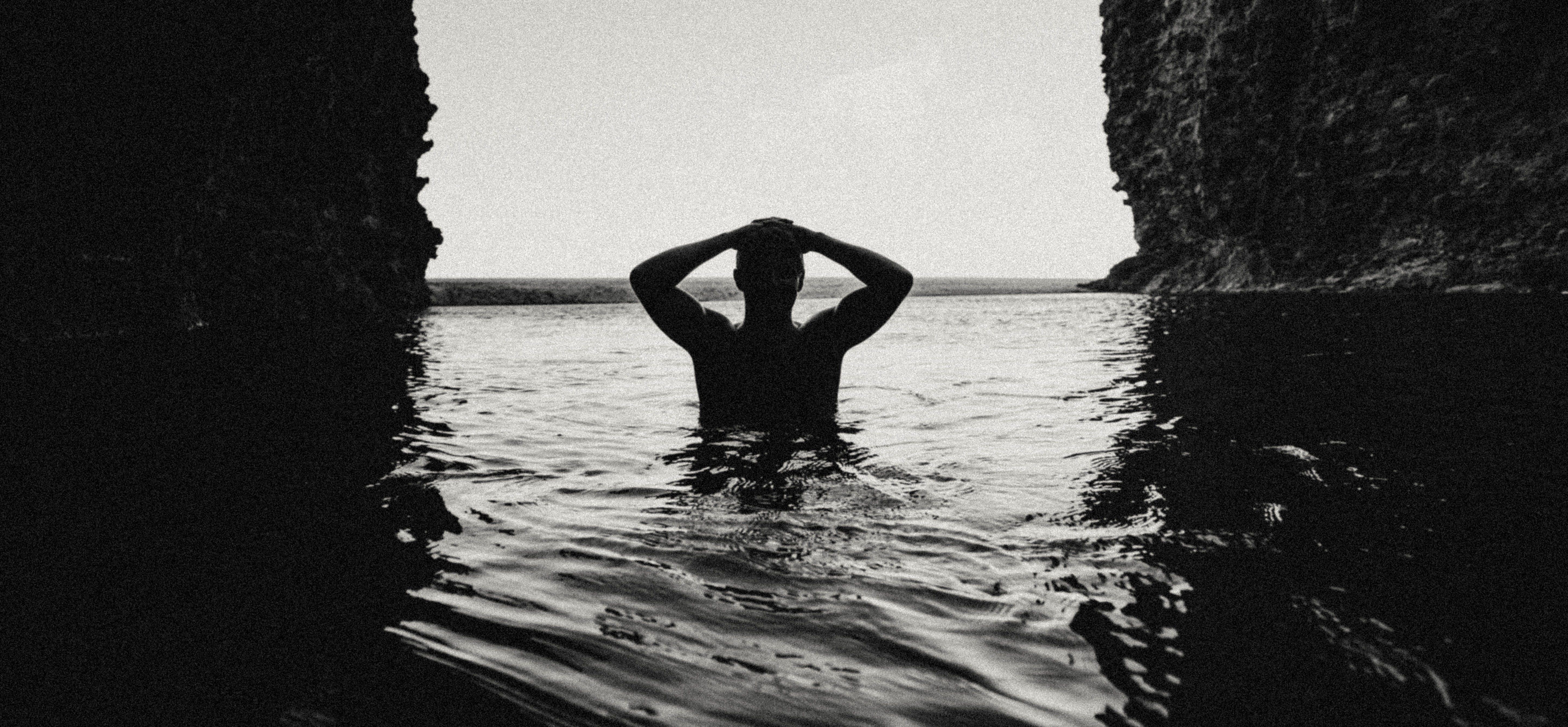
I spent a significant portion of my recent backpacking trip to Kauai sitting in a cave meditating.
This specific cave was a massive cavern recessed into a sheer wall of rock beneath some of the most dramatic mountains I’ve ever laid my eyes upon.
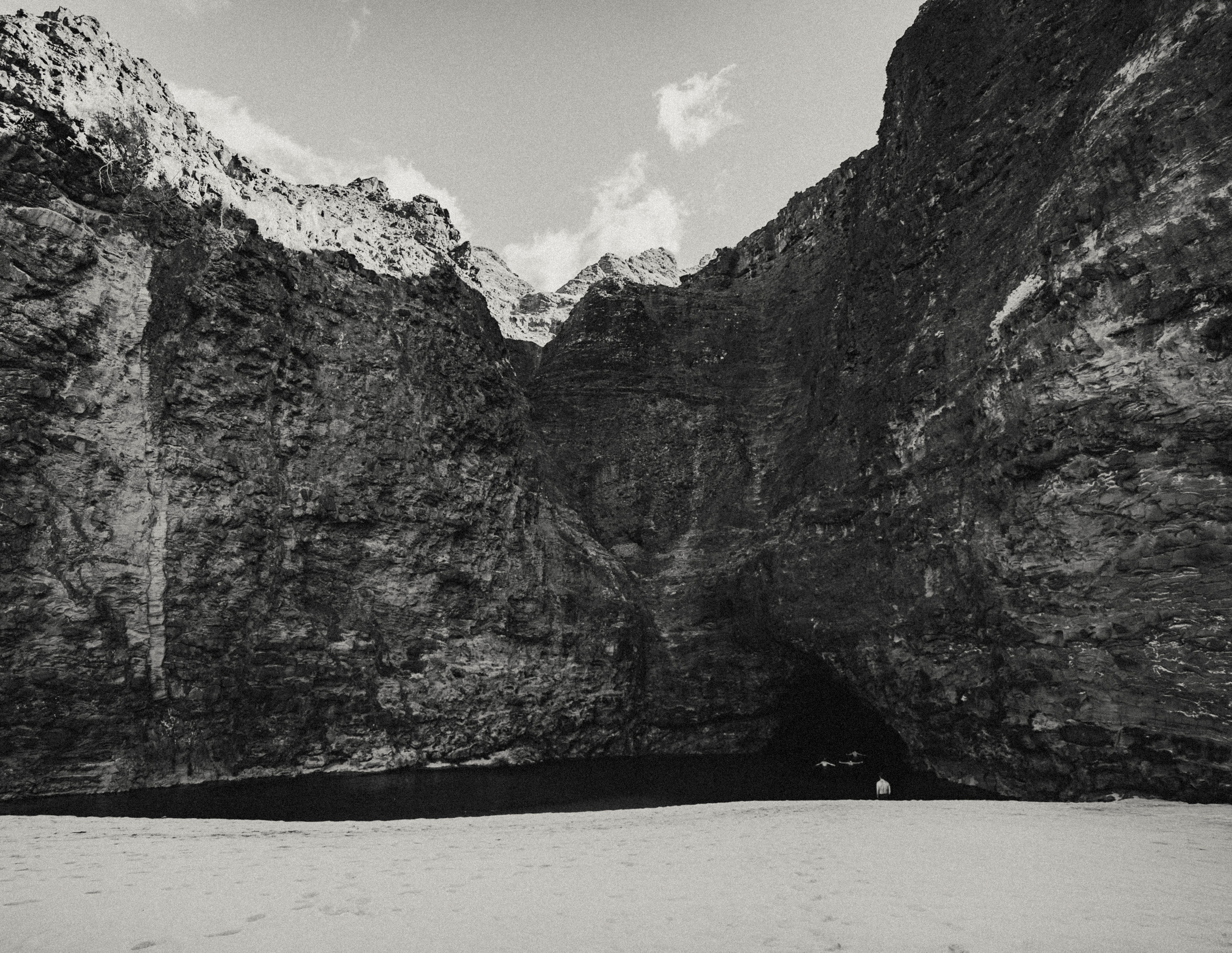
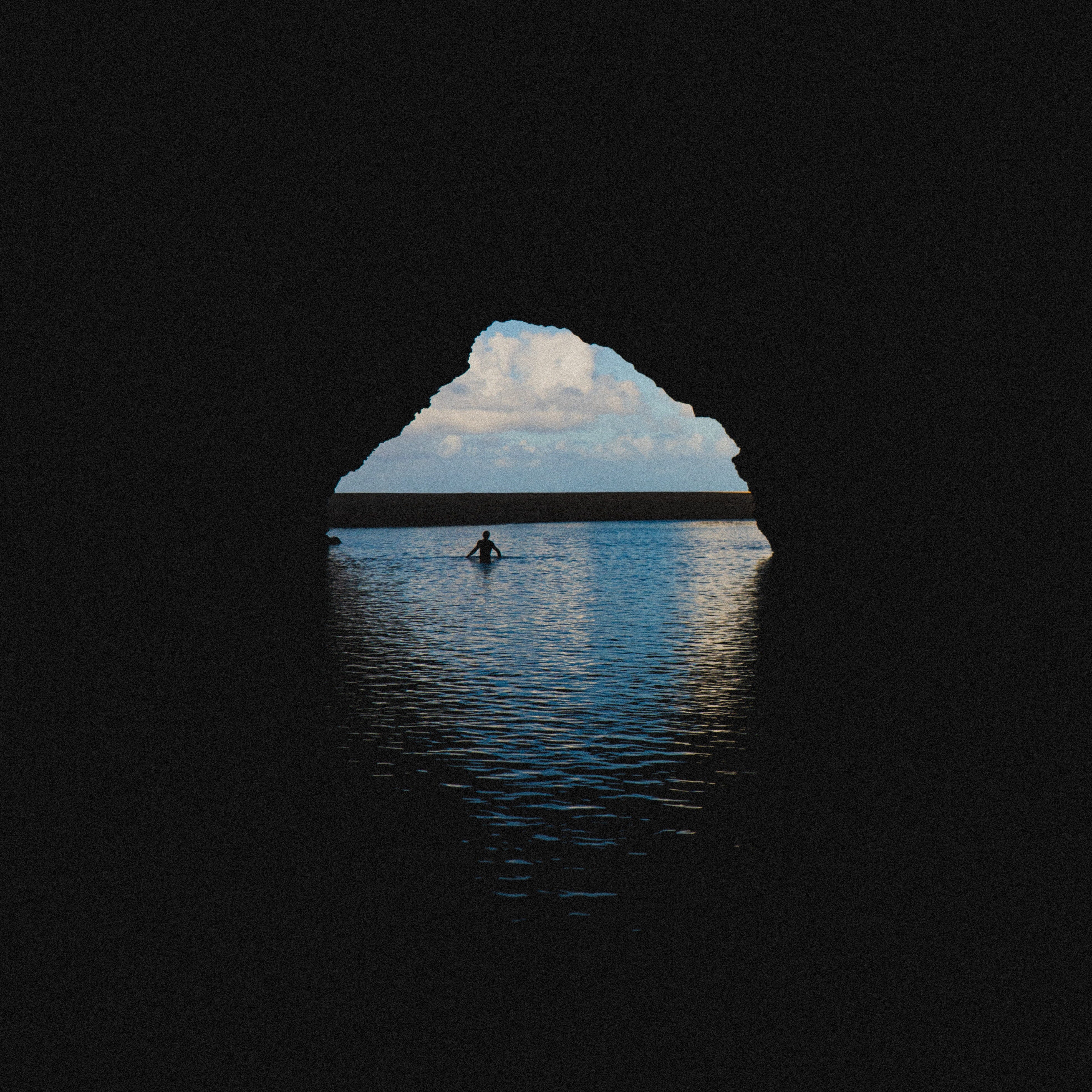
After wading through a pool of chest deep, crystal clear, colder than you’d expect water, you could peer back at the beach you came from to see just a tiny portal of sand and sky from the back of the cave.
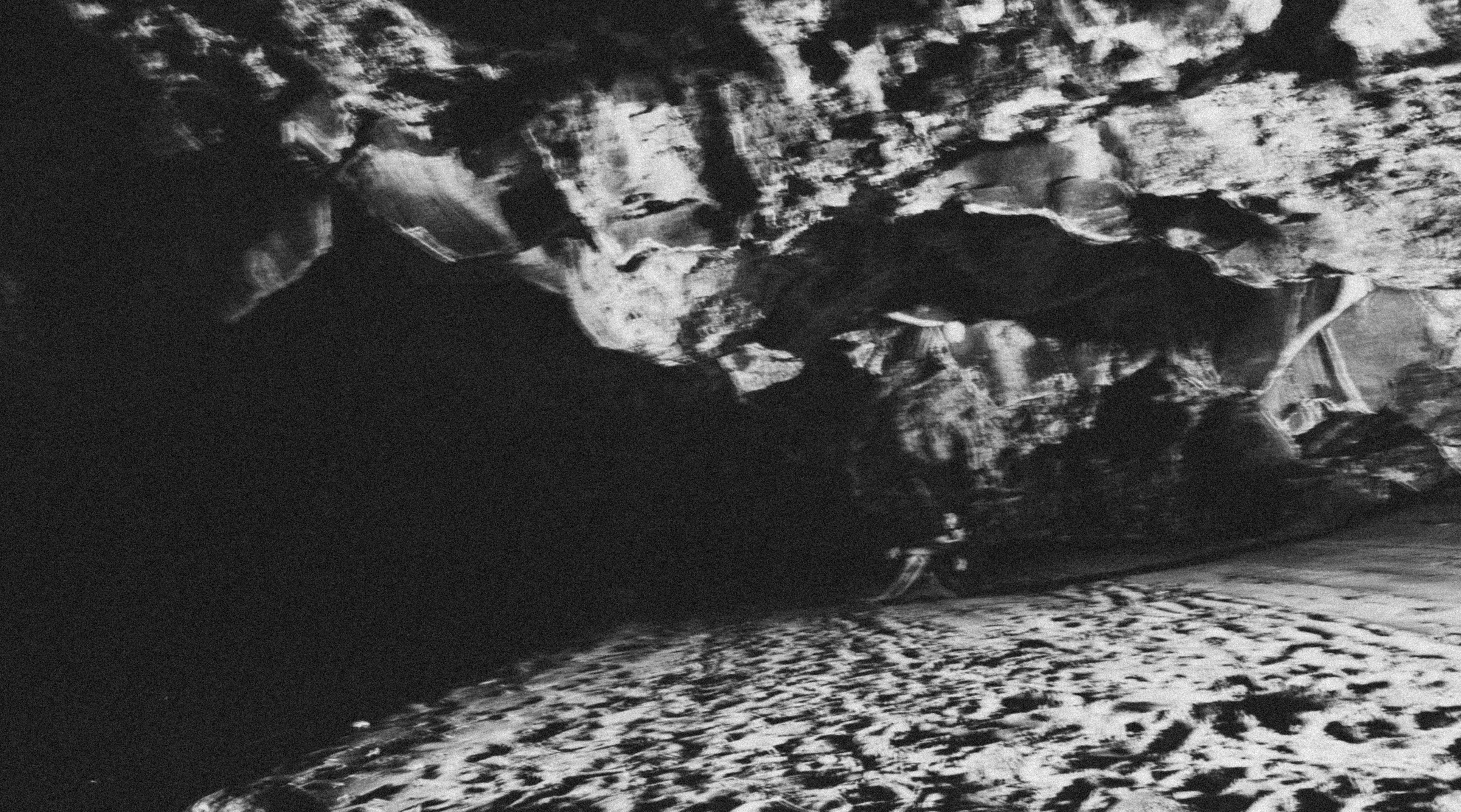
And if turned around and looked closely at the back wall of the cave, you’d see a floor level crack that was just big enough to crawl through, leading to a small cavern maybe 7 feet tall and 12 feet wide and 12 feet deep. All you could see from this cavern was the reflection of the light that had made it into the first.
Once your eyes adjusted, there was a very peculiar shadow that your own body painted onto the back wall of this back cave. A blurry and distorted projection.
I sat there for maybe an hour one day, just watching my shadow dance on the back of this cave, with the soft pitter patter of water dripping from the cave ceiling punctuating the thundering waves breaking a few hundred meters away.
As the day went on outside, I was transfixed with this experience. I waned philosophical as I recalled Plato’s use of these shadows on cave walls to illustrate human’s tendencies to mistake shadows for reality. I asked myself how that might be true in my life.
Where have I been certain of something that turned out to be only a shadow of the truth?
How often have I let my theology get in the way of experiencing God?
How often have I let my ideas of who someone is get in the way of seeing their dynamic, ever changing nature and endless possibilities?
How often have I let my basic assumptions about the world prevent me from learning, growing, connecting with people?
Unknowing in Faith
Shortly after my philosophical musings, I thought back to my journey through the “cave” of quarantine during covid in 2020 when my faith as a Christian went through a metamorphosis, transforming into something more broad and expansive than the faith I grew up with. That shift was equally healing as it was disorienting.
It’s not an easy thing to reject foundational ideas that you grew up with when you’re presented with new data, or more compelling ideas. Admitting you’re wrong on something big (or at least big to me) is a humbling experience. It teaches you to level up your skepticism to many of the other ideas in your head, to examine everything more closely.
Sitting in this cave in Kauai, I felt this unknowing viscerally. It was a pit in my stomach, a knot in my chest.
“Can I really know anything?”
Dramatic, I know, but that’s what I felt in that moment.
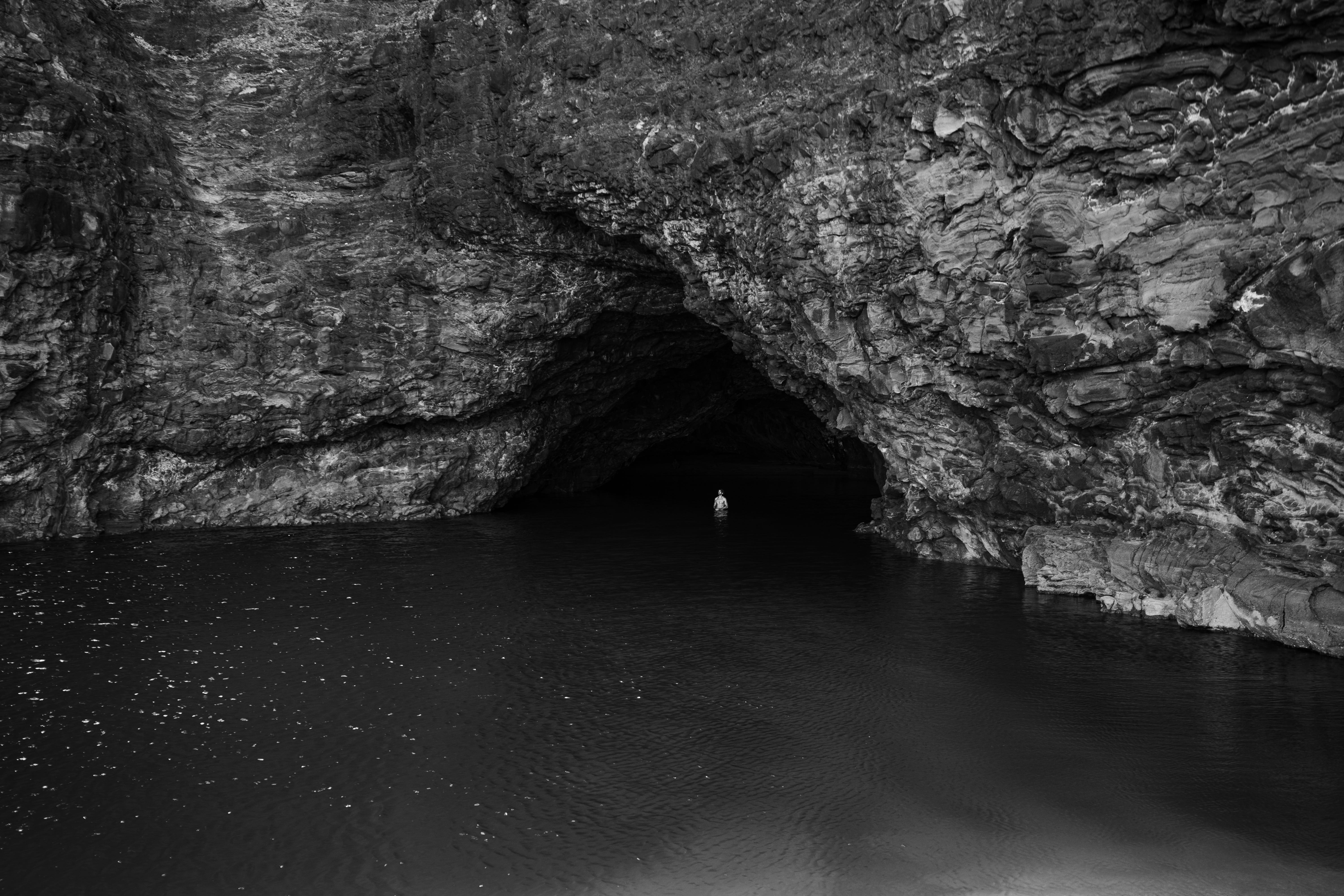
As I waded back through the water to exit the cave, I felt a distinct sense of wonder sprouting within me. I thought about my wife Gabrielle, someone who I know better than anyone else in my life, and realized I didn’t know the first thing about her.
There’s so many conversations we’ve never had! There’s so many situations I’ve never seen her in! I have no idea who she will become. Or really even who she is. I love the things I do know about her, but what if even those are just shadows on the back wall of the cave, the tip of an iceberg I could never find the bottom of?
I thought about my brothers in this same light. What if every label I’ve assigned them, every box I’ve tried to put them in was only ever real in my mind?
Finally, my mind landed on myself. Who am I? What have I missed about my own identity? My own possibilities?
Nothing hits quite like an existential crisis in a cave.
Labels and Forgiveness
Now I’m sitting in a coffee shop back on Oahu, and I’m realizing how important this “unknowing” has been for me in all of my relationships.
Many times I have felt let down, hurt, or disappointed by some of my closest friends. Each time it’s happened, there’s a strong temptation to label the person based on that experience.
They’re emotionally immature, they’re bad communicators, they’re unreliable, they’re self absorbed, they’re the center of their own universe, they’re dishonest, etc.
I’ve found that forgiveness is the willingness to hold those labels at bay, choosing to see a person as more complex than those boxes.
There’s really not a longstanding friendship in my life that hasn’t gone through at least one season which required me to let go of one of these labels. Although it might be easier in the short term to write a person off and look for a new, unproblematic relationship to substitute it with, I’ve found that people almost always surprise me and confound the labels I’m tempted to give them if I play the long game.

Beginner’s Mind in Friendship
Rick Rubin refers to this unknowing as “beginners mind” in his book The Creative Act.
He defines it as follows:
“Beginner’s mind is starting from a pure childlike place of not knowing. Living in the moment with as few fixed beliefs as possible. Seeing things for what they are as presented. Tuning in to what enlivens us in the moment instead of what we think will work. And making our decisions accordingly. Any preconceived ideas and accepted conventions limit what’s possible.”
In the book, Rick is explaining this in relation to making art, but I believe it’s just as valuable in our approach to relationships.
Our preconceived notions of who someone is truly limits our perception of who they are. These preconceived ideas also trap us into routine, and uninteresting loops of conversation and behavior with the people in our lives.
Each moment we spend together with our friends has limitless potential, but we’re so caught up in our habits and limited ideas of who people are that we end up convincing ourselves that people are boring, crazy or both.
Paul says in 1 Corinthians 2:2 “I resolved to know nothing while I was with you except Jesus Christ and him crucified.”
I love this posture. To me, it means holding fast to the childlike wonder and astonishment with people and the world around us, while also clinging to a deep truth at the center of the universe, that the kingdom of heaven has come near, that God has made his dwelling among us, that love ultimately conquers death.
There is a lot of glory in knowing nothing. Especially about the people we think we know so well in our lives.
There is obviously a time and place to use our reasoning, to stand firm for things we believe, to act on the knowledge we do have. But it is often far more powerful to act boldly with our curiosity for all the things we do not know
I hope you find a real cave, or at least a metaphorical one to sit quietly in sometime soon, watching your shadow move paint the walls, asking yourself how your life might be bigger than your ideas about it.

Thanks so much for reading, I love you all!
curiosity killed the cat, BUT satisfaction brought it back! seeing when I was wrong in my estimation of a human, has almost always resulted in a better experience than the one I imagined. And it is often a delight to watch people open up and bloom when I don’t impose presuppositions on who they ought to be!
"Our preconceived notions of who someone is truly limits our perception of who they are. These preconceived ideas also trap us into routine, and uninteresting loops of conversation and behavior with the people in our lives." The truth of this hurts my heart...such a travesty. I always hated being put in a box and can see how tempting and easy it is to do to others. Thanks for this reminder to keep on the hard, but rewarding pathway of curiosity.